

Ella Cook - Principled Dissent in an Age of Enforced Conformity

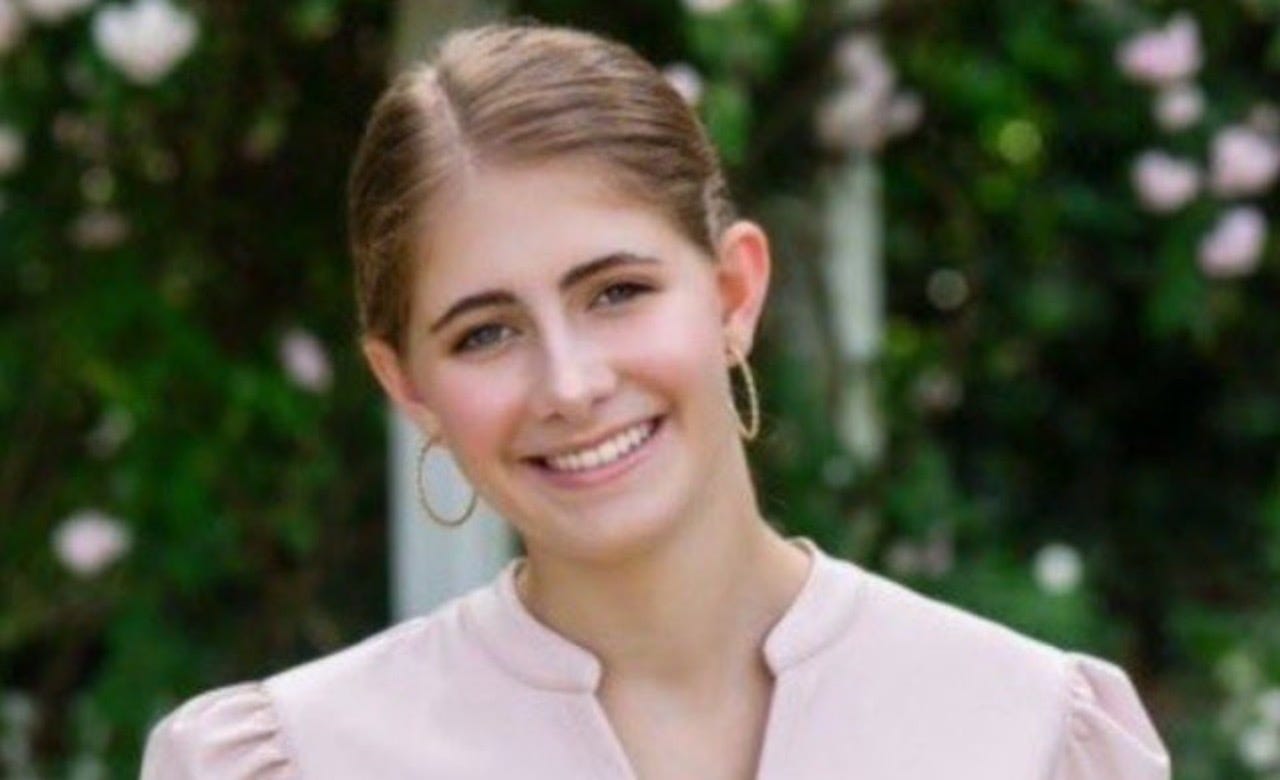
Ella Cook - Principled Dissent in an Age of Enforced Conformity
By Jim Reynolds | www.reynolds.com
At elite universities where progressive orthodoxy is enforced more than debated, dissent requires more than conviction—it requires courage.
Ella Cook had it.
At just nineteen, the Brown University sophomore from Mountain Brook, Alabama, stood openly and calmly for conservative principles in an environment structurally hostile to them. Her life, cut short in the December 13, 2025 shooting that killed two and wounded nine, should not be reduced to a footnote of tragedy. It should be examined for what it reveals—about ideological isolation, institutional reflexes, and the information systems that now decide what may be discussed.
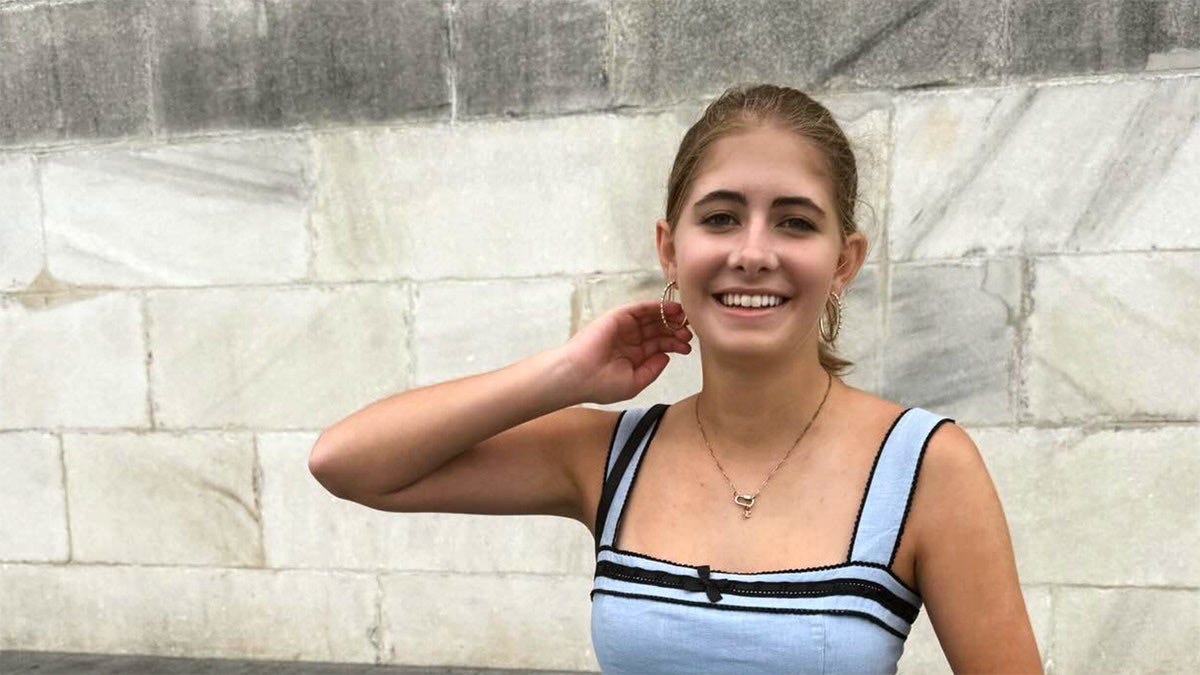
Ella was vice president of Brown’s College Republicans, a marginal group on a campus where faculty political affiliation skews overwhelmingly left. She did not posture or provoke. Her conservatism was relational, grounded in Christian faith, expressed through conversation, service, and quiet solidarity. Friends described her as kind, steady, and unafraid to stand beside others when doing so carried social cost.
She did exactly that when fellow conservative student Alex Shieh came under disciplinary scrutiny for journalism critical of the administration. When association with him became risky, Ella showed up anyway—helping distribute conservative publications outside dining halls, refusing the safer path of silence. In modern academia, where dissent is often treated as contagion, this was not symbolic courage. It was real.
Ella’s visibility mattered. She debated through the Brown Political Union. She represented conservative ideas with clarity and grace. National figures later noted the difficulty—rarely acknowledged—of openly leading a minority viewpoint in elite academic spaces. But visibility cuts both ways. It empowers allies and attracts scrutiny.
Sometimes worse.
What We Know — and What We Are Not Being Told
Official coverage of the shooting has been narrow: statements of grief, calls for unity, procedural updates stripped of context. What it has not included are questions that any serious observer would ask.
Those questions have not vanished. They have migrated—to X.
That matters.
For years, social media platforms colluded with government and institutional actors to suppress discussion deemed inconvenient. That fact is now documented, litigated, and established. In a media ecosystem where legacy outlets routinely withhold, delay, or sanitize politically disruptive information, X has become the primary venue for real-time synthesis, eyewitness aggregation, and pattern analysis. Not rumor. Analysis.
From those discussions, several facts and anomalies stand out.
Eyewitness testimony places a teaching assistant, Joseph Oduro, in direct proximity to the shooter, who reportedly walked past him without harm before firing deeper into the room. Ella Cook was struck multiple times. This was not random spray. It suggests focus.
University web pages highlighting a student assistant connected to the Center for Middle East Studies—once public—were quietly removed after the shooting, producing 404 errors. This is not conjecture; it is observable behavior. If unrelated, why scrub?
The suspect’s identity remained unannounced days after the event, despite widespread circulation elsewhere. Again: not accusation—pattern recognition. Institutions delay names when narratives require stabilization.
The shooter arrived at a precise time, in a precise location, during a review session not broadly publicized. That suggests insider familiarity with campus schedules—something a teaching assistant would possess, and an outsider would not.
Each item alone might be dismissed. Together, they form a familiar institutional silhouette: containment first, transparency later—if ever.
Why Institutions Clamp Down
Brown University has a $7 billion endowment and a brand built on moral authority. Like other Ivies, it has already faced donor unease over ideological capture, anti-Israel activism, and selective enforcement of speech norms. Universities do not fear truth; they fear patterns that undermine curated reputations.
When information threatens donor confidence, enrollment appeal, or ideological alignment, institutions default to silence and procedural delay. Legacy media—deeply embedded in the same ecosystems—often follows suit.
That vacuum is then filled elsewhere.
X did not create these questions. It surfaced them.
The Broader Pattern
Ella Cook’s life and death sit at the intersection of several forces:
• The marginalization of ideological dissent on campus
• The radicalization of activist politics, particularly around Middle East issues
• Media systems that manage narratives rather than interrogate them
• Institutions trained to protect optics, not truth
Pro-Palestinian activism on campuses has, in documented cases, crossed from protest into intimidation and retribution. Watchdog reports exist. Prior incidents exist. Pretending these patterns stop at the classroom door is willful blindness.
Ella did not seek conflict. She sought pluralism. That alone made her exceptional.
What Her Story Demands
This is not a call for outrage. It is a demand for clarity.
Ella Cook lived her beliefs openly, defended others when silence was safer, and accepted the costs of dissent without bitterness. She represents something increasingly rare: principled disagreement without malice.
If institutions truly value diversity, they must start by tolerating ideological difference—not memorializing it only after it becomes inconveniently tragic.
And if legacy media will not ask the hard questions, others will.
That is not a threat.
It is simply how information works now.
Pluralism survives only where truth is allowed to circulate.
Ella believed that.
She lived it.
That was the purpose of the post. This has smelled bad from the start. When I discovered that the perp rushed right by the black guy and went purposefully towards others — I started researching more diligently. There are hundreds of X users commenting. Lots of noise, I am sure, but there are credible ones as well. This certainly looks like damage control on Brown’s part. We’ll see.
You revealed alarming details that I had not heard. If she she was targeted then this tragedy is both heartbreaking and infuriating. The murder of the other student is equally horrific. Could that targeted as well? The persons speaking at news conferences do not inspire confidence. What a mess! SMH