


Ten Habits That Actually Predict Longevity
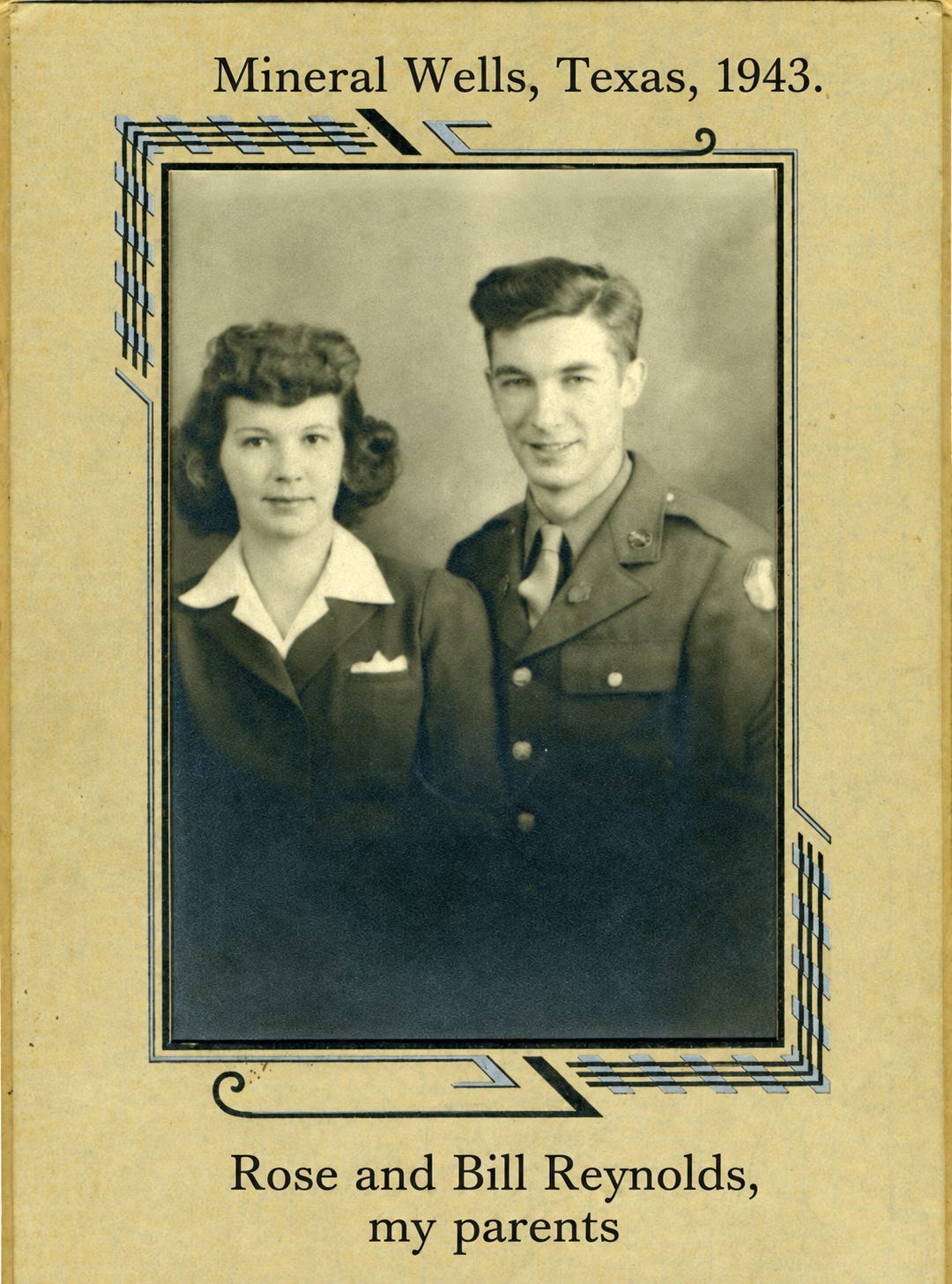
Plus, one more that makes it all worthwhile. Listen to my Mom.
By Jim Reynolds | www.reynolds.com
August 22, 2026
There is an enormous industry devoted to helping us live longer.
Supplements. Powders. Cold plunges. Oxygen chambers. Wearable monitors. Exotic diets. Expensive blood panels measuring things most of us had never heard of five years ago.
Some of it may help.
But if you step back and ask a simpler question — what habits actually show up consistently in people who live longer? — the list becomes remarkably ordinary.
Almost disappointingly so.
🅱️ Bob: “You mean I don’t need a $900 stainless-steel bathtub full of ice?”
Not yet, Bob.
Here are ten habits that matter.
1. Don’t smoke.
Nothing clever here.
Smoking remains one of the most effective ways ever devised to shorten a human life. It damages the cardiovascular system, lungs and nearly everything supplied by blood.
If you don’t smoke, don’t start.
If you do, stopping is probably worth more than almost anything else on this list.
🅱️ Bob: “There goes the wellness seminar.”
2. Keep moving.
You do not have to become an athlete.
Walk. Work in the yard. Climb stairs. Carry things. Ride a bicycle. Move your body often enough that it remembers what it was designed to do.
The official recommendations generally call for around 150 minutes of moderate exercise per week.
But the important dividing line may be much simpler:
Moving is better than sitting.
3. Stay strong.
This becomes more important as we age.
Muscle is not merely cosmetic equipment for young men taking photographs of themselves at the gym.
Strength helps us walk, balance, recover from illness, control blood sugar and avoid the cascade that begins when an older person becomes physically fragile.
You don’t need to bench press your Buick.
But you should still be able to get out of a chair, carry groceries and pick something up from the ground.
4. Control your blood pressure.
High blood pressure is boring.
It also damages arteries, kidneys, the heart and brain for years without announcing itself.
That combination makes it dangerous.
We pay enormous attention to diseases that frighten us while sometimes ignoring the number quietly appearing on the blood-pressure cuff.
The cuff may be telling us something important.
5. Keep your metabolic machinery working.
Normal blood sugar matters.
So does avoiding severe obesity and insulin resistance.
Diabetes is not an isolated problem. It travels with cardiovascular disease, kidney disease, nerve damage and a collection of other things most people would prefer not to collect.
Once again, the prescription tends to be irritatingly familiar:
Move more. Eat reasonably. Don’t get enormously fat.
🅱️ Bob: “This article isn’t selling anything very well.”
Exactly.
6. Eat mostly real food.
There is no shortage of people prepared to tell you that one particular food will save your life.
It probably won’t.
A sensible diet looks suspiciously like food your grandparents would recognize:
Vegetables. Fruit. Beans. Nuts. Fish. Meat in reasonable amounts. Whole foods. Not too much sugar. Not too much highly processed junk.
You can argue about carbohydrates until everyone at the table dies of old age.
The larger point survives.
7. Sleep.
Human beings require sleep.
This apparently came as a surprise to the modern productivity industry.
Chronic sleep deprivation is associated with worse cardiovascular health, poorer metabolic function and a variety of other problems.
There is no magic number that applies to everybody, but most adults function best somewhere around seven or eight hours.
If you routinely get five, convincing yourself that you are the exception may not make you one.
8. Keep other people in your life.
This may be the least appreciated item on the list.
Strong social relationships are repeatedly associated with longer survival. Isolation is associated with earlier death.
Human beings appear to require other human beings.
Family. Friends. Neighbors. Church. Clubs. Workmates. Somebody who notices when you don’t show up.
The mechanism is probably complicated.
The result isn’t.
🅱️ Bob: “Apparently yelling at your brother still counts as social interaction.”
Within limits.
9. Don’t drink too much.
For years we were told that a glass of wine might be practically medicinal.
That proposition has become increasingly difficult to defend.
Heavy drinking clearly shortens lives. Lower consumption is safer than higher consumption. And if you don’t drink now, there is no medical reason to begin.
This does not require Puritanism.
It requires arithmetic.
10. Keep having a reason to get up in the morning.
This one is harder to measure, but I think it belongs here.
People need something to do.
Work. Family. Writing. Gardening. Building things. Fixing things. Learning something. Taking care of somebody. Arguing with people on the Internet, although I would place that somewhat lower on the list.
Retirement from a job is one thing.
Retirement from life is another.
The body seems to understand the difference.
Now look back at that list.
Do you see something missing?
Can you think of anything that makes the rest of the items worth doing?
I can.
Laugh every day.
It is usually missing from the medical lists because it is hard to measure.
You can measure blood pressure.
You can measure glucose.
You can count steps, cigarettes, drinks, hours of sleep and pounds around the waist.
Humor does not fit very neatly into the spreadsheet.
That does not make it unimportant.
In fact, it may be one of the most important things in the whole discussion.
People who laugh tend to be engaged with other people. Humor reduces tension. It gives us distance from trouble. It makes bad days more survivable and good days considerably better.
And there is something else.
Suppose you do everything right.
You eat properly.
You exercise.
You sleep eight hours.
You monitor your blood pressure.
You avoid cigarettes and excess alcohol.
You preserve your muscle mass and carefully shepherd yourself toward ninety-five.
Then what?
🅱️ Bob: “Congratulations. You have successfully extended the warranty.”
Exactly.
Longevity by itself is not the objective.
The objective is to remain alive in a way that makes being alive worth extending.
That is where humor comes in.
Laughing does not merely belong on the longevity list.
It may be the thing that gives the rest of the list a reason to exist.
Longevity gives you more years. Humor gives you something to live for.
So laugh every day.
Laugh at yourself.
Laugh with your spouse.
Laugh with your friends.
Laugh at politicians. They have certainly done their part.
And when life gets particularly absurd, appreciate the fact that it has at least provided fresh material.
My mother often said:
“Life ain’t nuthin’ without humor.”
She really didn’t use the word ain’t in her normal speech.
But it added a little Bakersfield grit to the pronouncement.
At any rate, here I am quoting her years after she left this earth.
I guess that was the point.
🅱️ Bob: “Sounds like she got the last word.”
She usually did.
My late husband and I were married for 68 years. Most of those years we struggled with money issues, but we had 4 great kids we traveled the world with when in the US Army. We moved more than 20 times and explored every place we lived with out kids. Seldom had a baby sitter and always packed a lunch to share where ever we were, desert, seashore, mountains etc. I retired at 80 but still do volunteer work. My hubby had a brain tumor and beginning of dementia and passed away at 90. We had a lot of fun and laughter and still do with my children and grandchildren. You are right, laughter is absolutely the best medicine.
Laughing is living--precisely. Having purpose is worth getting up for in the morning. I've long believed that as long as i have purpose in life, it's worth living--even if it's hard.
Great rules for a long life well lived. But, should I be worried if I still enjoy a glass of wine in the evening while debriefing with my wife of 54 years? Say it isn't so.