


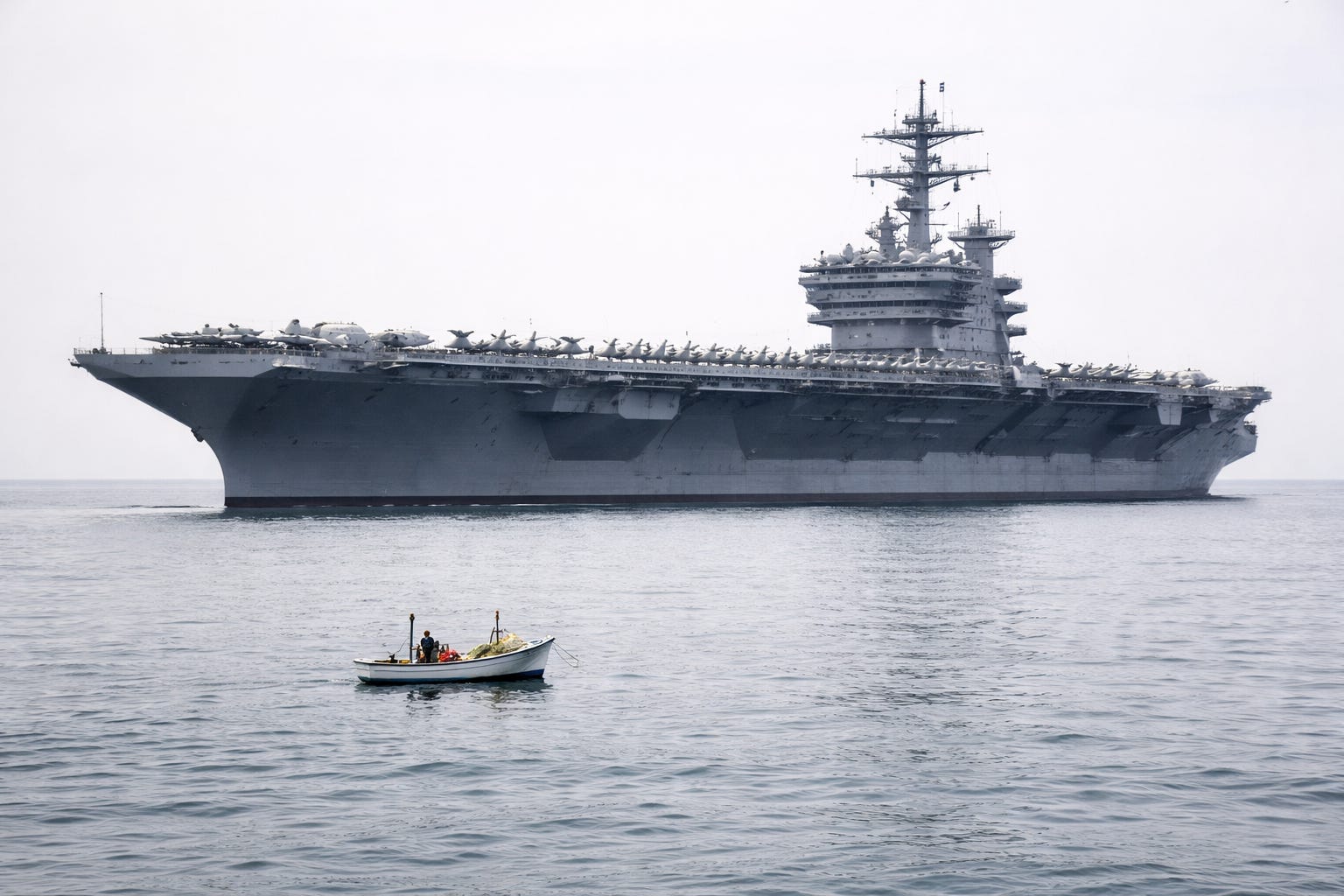
Image created with AI (GPT/DALL·E).
The Silent Eviction
America’s Quiet Cleanup of Maduro’s Foreign Backers Begins
By Jim Reynolds | www.reynolds.com
January 8, 2026
The raid was the loud part.
On January 3, U.S. special forces executed Operation Absolute Resolve with textbook precision: airstrikes to blind defenses, a lightning insertion into Fuerte Tiuna, the capture of Nicolás Maduro and Cilia Flores, and extraction with zero American losses. By dawn, the indicted narco-terrorist was en route to a New York courtroom. The spectacle dominated headlines—deterrence demonstrated, hemispheric message sent.
But the real work—the part that reshapes the board without fanfare—is happening now, in the days after.
While public attention fixates on Maduro’s not-guilty plea and international outrage over sovereignty, a quieter phase has begun: the systematic eviction of the foreign advisors who sustained the regime for years.
Cuba, Russia, China, and Iran all maintained deep entrenchment in Venezuela. Cuban security and intelligence personnel formed Maduro’s most trusted praetorian guard. Russian military technicians serviced air defenses and aircraft. Chinese economic and security advisors oversaw oil-for-loans deals that kept Caracas afloat. Iranian operatives helped build drone capabilities and evade sanctions.
The raid already bloodied that network. Delta Force commandos clashed directly with Cuban protectors at the compound—reports indicate dozens of Cuban personnel killed in the firefight, with survivors scattering or evacuating on diplomatic channels.
Now comes the squeeze.
U.S. officials have made it clear to interim President Delcy Rodríguez that meaningful progress—sanctions relief, oil partnerships, non-interference—requires phasing out remaining spies and military personnel from those four countries. Diplomats may stay for appearances, but the operational footprint must go.
This is not a public ultimatum. It’s back-channel diplomacy backed by the undeniable reality of American power projection: a naval armada still offshore, proven penetration capability, and no appetite in Moscow or Beijing for direct confrontation over a lost client.
Rodríguez, ever the pragmatist, is already signaling accommodation. Her initial defiance has softened into offers of dialogue and initial oil shipments. She knows the math: Chavismo’s survival now depends on cutting losses with former patrons who can no longer deliver.
The New York Times broke the story earlier this week through its trademark access to anonymous officials—classic scoop journalism, not ideological cheerleading. The paper’s broader coverage remains skeptical of the operation’s precedents and risks, but the leak itself reveals how seriously Washington treats the cleanup.
This silent eviction is classic neighborhood enforcement: no occupation, no nation-building proclamations—just the methodical removal of hostile foreign leverage from America’s backyard.
Russia, distracted by Ukraine, is pulling technicians quietly. China, focused on debt recovery, is recalibrating rather than confronting. Cuba, reeling from losses, has little choice. Iran’s small presence was always opportunistic.
And the drug traffickers?
In late December, U.S. forces took out the primary cartel loading dock on Venezuela’s coast—the launchpad for go-fast boats heading north. Since that strike and Maduro’s capture, not a single drug boat has been reported blown up, seized, or even spotted trying to run.
Zero.
That’s the punchline.
The head of the snake is gone.
The launchpad is ash.
And right now, nobody’s stupid enough to test what happens next.
When the next one tries…
Boom.
The neighborhood just got a lot safer.
And the neighborhood is watching.