


Unmasking the Minnesota Fraud Debacle
How Incentives, Inaction, and Political Risk Enabled Billions in Theft
By Jim Reynolds | www.reynolds.com
As 2026 begins, Minnesota’s social-services fraud scandals are no longer isolated embarrassments. They form a record — one that raises a simple, uncomfortable question: why did repeated warnings fail to trigger meaningful enforcement until the problem became impossible to ignore?
What began with a viral exposé has widened into a reckoning over billions in stolen taxpayer dollars, spread across multiple programs, over many years. The pattern is not subtle. And it does not require conspiracy to explain it.
It requires incentives.
What This Is — and Is Not
This is not an argument about collective guilt or hidden plots.
It is an examination of how political risk asymmetry can disable oversight — and what happens when enforcement becomes more dangerous to careers than fraud is to the public.
The conclusion follows from the record.
The Trigger: An Exposé That Forced Action
On December 26, 2025, independent journalist Nick Shirley released a 42-minute video documenting a series of childcare centers in Minneapolis receiving millions in Child Care Assistance Program (CCAP) funds.
The footage was striking: locked doors during operating hours, blacked-out windows, no visible activity, and evasive responses from staff. One site — the Quality Learning Center, whose signage misspelled “Learning” — had received roughly $4 million despite prior FBI raids, guilty pleas tied to theft, and a revoked license before reopening.
Within days, the video surpassed 100 million views and drew attention from prominent figures across politics and media. The federal response was swift: HHS froze approximately $185 million in annual childcare payments to Minnesota, and federal investigators surged audits and enforcement actions. New nationwide requirements now mandate receipts and photographic verification for reimbursements.
The obvious question is not why enforcement began — but why safeguards this basic were absent for so long.
The Broader Record: Fraud Was Not an Anomaly
Shirley’s reporting did not create Minnesota’s fraud problem. It exposed it.
Federal prosecutors estimate that as much as $9 billion may have been misappropriated across roughly 14 Minnesota social-services programs since 2018. The most prominent case, Feeding Our Future, involved more than $250 million in fraudulent claims for meals never served. Shell organizations billed for nonexistent children; proceeds flowed into luxury purchases, real estate, overseas transfers, and untraceable accounts.
Audits flagged vulnerabilities years earlier — particularly lax verification standards — yet enforcement remained inconsistent. Even when state officials identified red flags, investigations stalled or were deprioritized. Whistleblowers reported retaliation. Internal warnings were minimized.
This pattern repeated across programs: childcare, nutrition, housing assistance, and autism services — especially during COVID-era regulatory loosening.
Fraud flourished not because it was invisible, but because the cost of aggressive oversight was perceived as higher than the cost of inaction.
Enforcement Asymmetry
This is the central insight.
Minnesota’s enforcement failures cannot be explained by ignorance alone. They are better explained by asymmetric political risk.
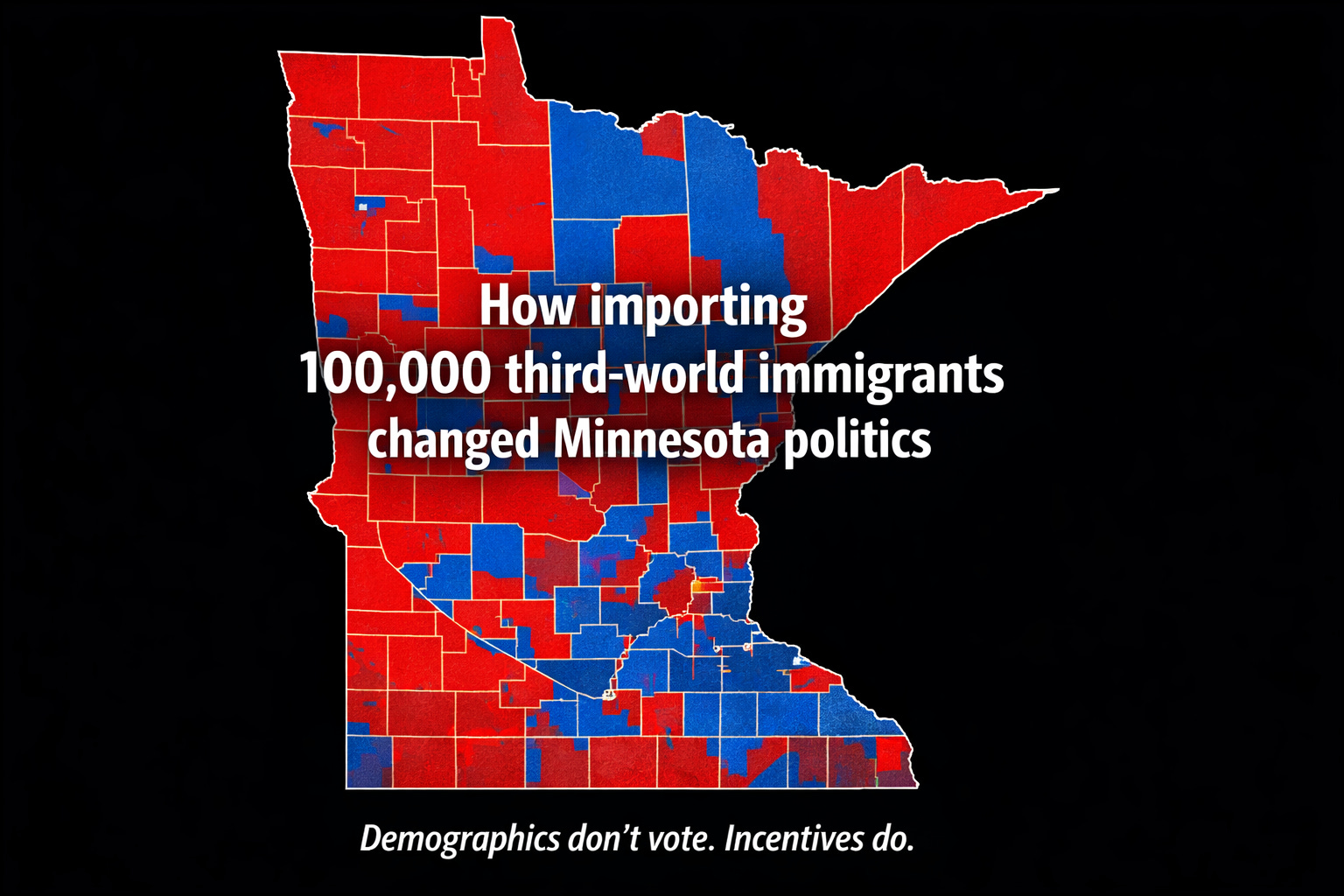
Certain investigations carried elevated reputational danger. Scrutiny risked accusations of bias, insensitivity, or political hostility toward communities that had become electorally important. That risk was real — and it shaped behavior.
State officials hesitated. Audits slowed. Questions were discouraged. Meanwhile, fraud expanded.
Federal prosecutions eventually stepped in — producing dozens of convictions — but only after losses reached staggering levels. As FBI Director Kash Patel observed, prior convictions represented “the tip of a very large iceberg.”
Icebergs are not formed overnight.
Leadership and Accountability
Governor Tim Walz has acknowledged that these failures occurred on his watch. His administration has since announced reforms: external audits, program suspensions, and tighter oversight.
Those steps are welcome. But they raise an unavoidable question: why did decisive action require national embarrassment to begin?
When enforcement is delayed until exposure becomes unavoidable, accountability is not proactive — it is reactive. And reactive governance is costly.
The Lesson That Matters
Fraud does not require malice.
It does not require conspiracy.
It does not even require particularly clever criminals.
It requires a system in which:
oversight is optional,
warnings are inconvenient,
and enforcement carries greater personal risk than silence.
Minnesota provided exactly those conditions.
That is the lesson for taxpayers, policymakers, and voters alike. The problem is not generosity. It is governance without accountability — especially when political incentives discourage asking obvious questions.
Systems like that do not correct themselves.
They metastasize.
If this record matters, the remedy is clear: restore enforcement symmetry — where oversight is routine, accusations are evidence-based, and accountability does not depend on political convenience.
Anything less guarantees repetition.
“Fraud flourishes when enforcement is punished and silence is rewarded.”